
Memorial Park – Houston, Texas
Restoring Coastal Prairie at Houston’s Memorial Park
HIGHLIGHTS
- Transformed drought-damaged trees into compost, repurposing onsite materials for coastal prairie restoration.
- Used innovative soil reuse and hydraulic seeding to accelerate construction while preserving ecological integrity.
- Developed and implemented diverse native seed mixes to promote biodiversity and long-term prairie resilience.
PROJECT OVERVIEW
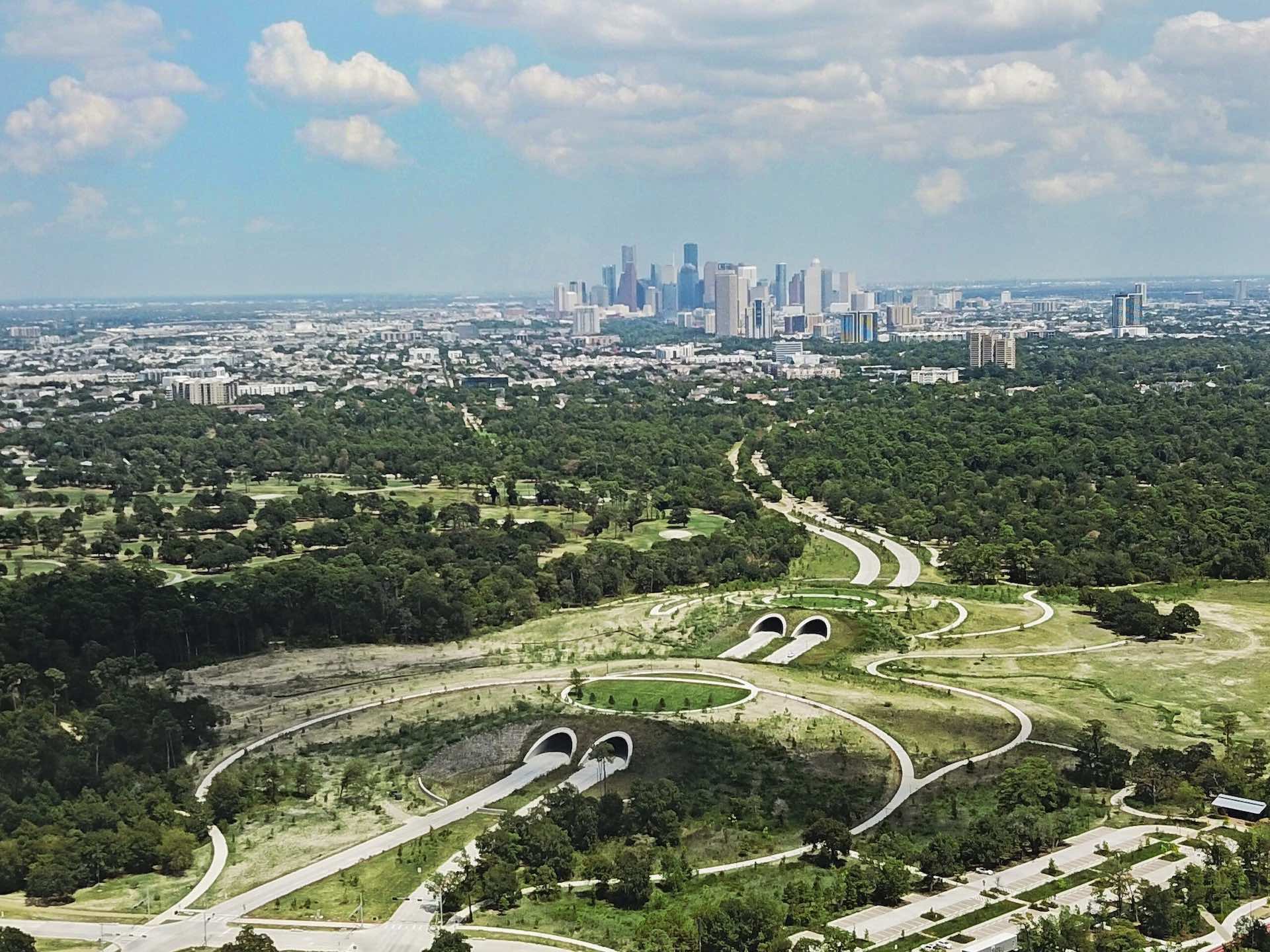
Memorial Park Conservancy set out to restore native coastal prairie within one of Houston’s most iconic urban green spaces while making sustainable use of materials generated on site.
Following the severe drought of 2011, thousands of trees were lost throughout the park. Rather than sending this material offsite, the Conservancy sought a solution that would transform the debris into a valuable resource. The result was a composting initiative that allowed the wood from these trees to be repurposed into soil-building organic material used in park restoration.
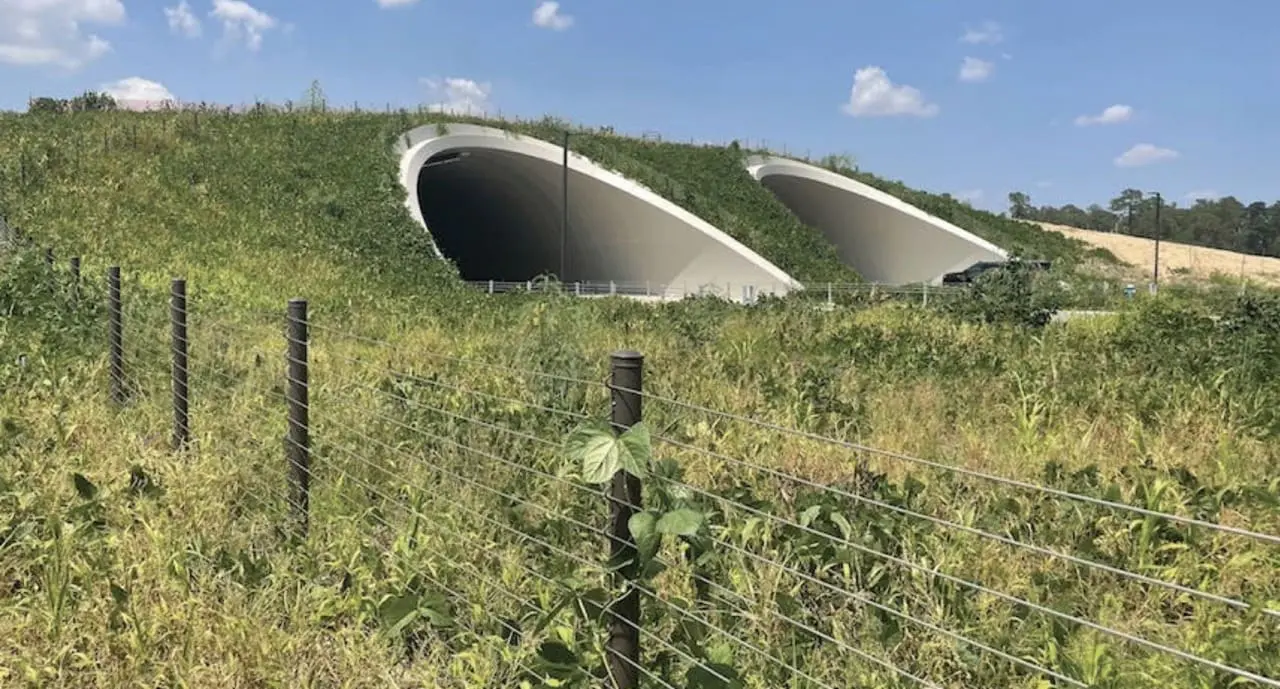
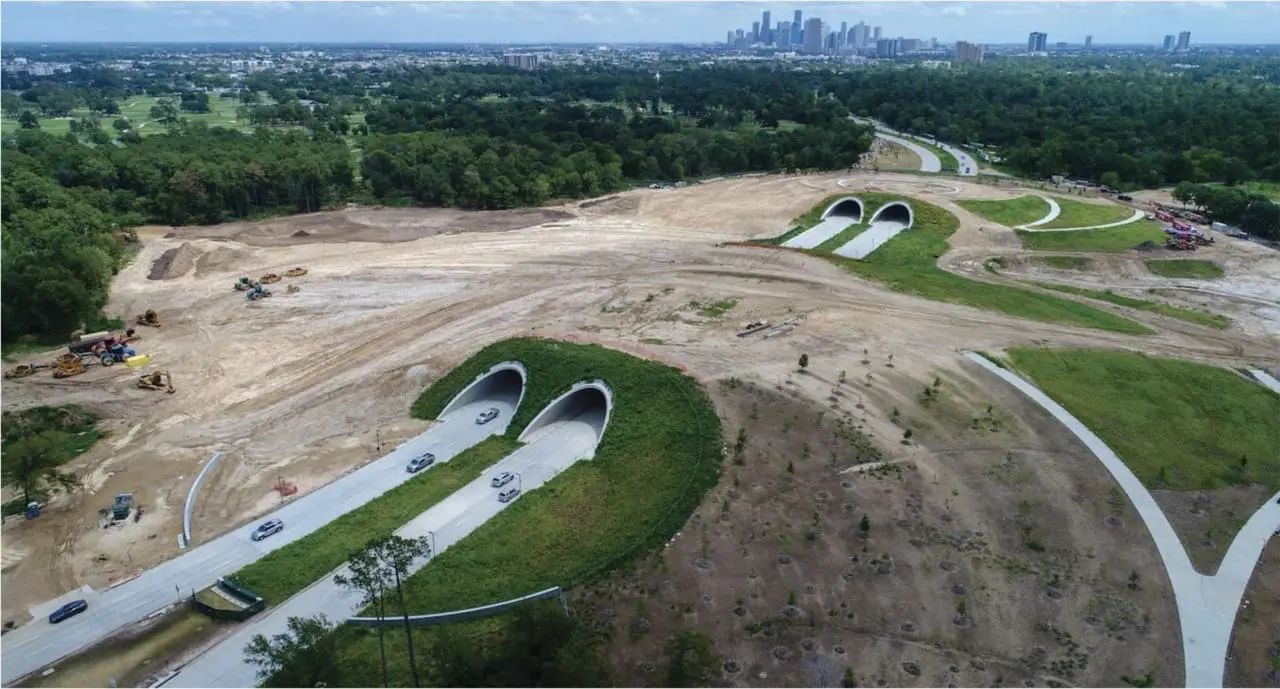
During construction of the Land Bridge and Prairie project, soils from the Eastern Glades and Southern Prairie areas were excavated and reused to support the new landscape features. This approach helped maintain the ecological character of the site while reducing the need for imported materials.
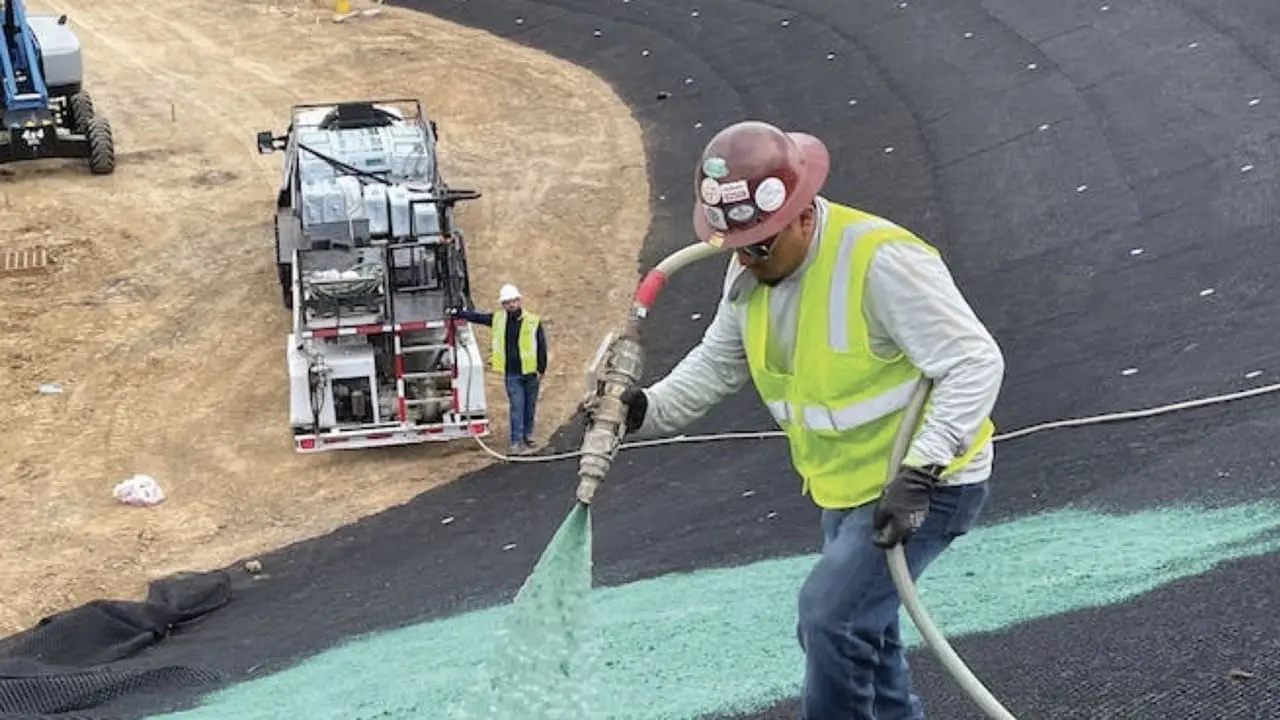
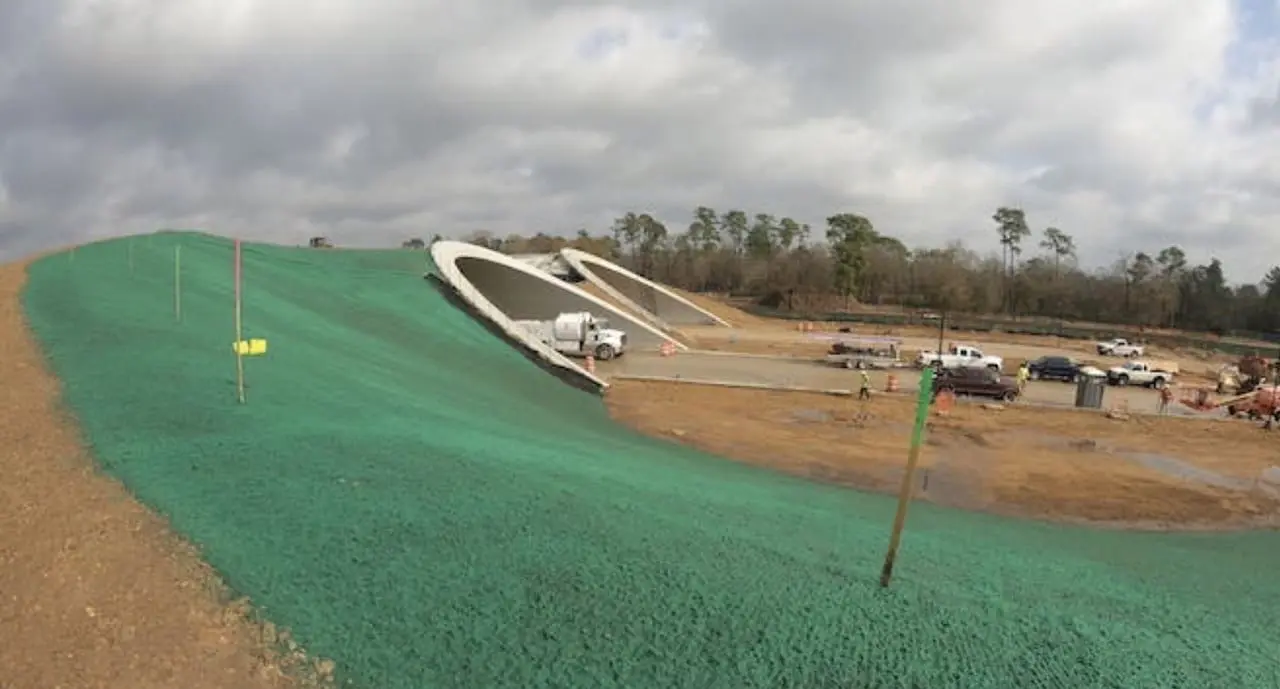
As the project progressed, construction delays created pressure to identify ways to accelerate installation without sacrificing restoration goals. One solution was replacing portions of traditional drill-seeding with hydraulic seed application, a change that reduced installation time and saved several days of labor while maintaining successful establishment of native vegetation.
Native Seed Mix Development & Implementation
- Landscape architects developed four native seed mix variations to reflect historic coastal prairie ecosystems of southeast Texas
- Each mix included 80–100 native species, designed to promote biodiversity and long-term resilience
- Seed mixes were incorporated into soil trials to evaluate optimal soil and amendment conditions
- Material availability challenges required substitutions and ongoing coordination to maintain design intent
- Final implementation balanced ecological goals with practical execution, requiring adaptable seeding strategies in the field
Greenrise’s Role
Greenrise supported the project through targeted stabilization and seeding efforts designed to protect newly constructed areas and promote healthy prairie establishment.
SCOPE OF WORK
Greenrise supported the project through targeted stabilization and seeding efforts designed to protect newly constructed areas and promote healthy prairie establishment.
- Slope stabilization across restored prairie areas
- Implementation of a series of stabilization trials to determine the most effective approach for site conditions
- Hydraulic seeding to accelerate vegetation establishment and reduce installation time
- Support for native prairie restoration and long-term landscape stability
 SIGN UP TO RECEIVE THE LATEST NEWS